Cabin crew jobs have long been among the most glamorous and sought-after positions in the global travel industry. Whether you call the role air hostess jobs, flight attendant jobs, or airline cabin crew careers, the profession offers a rare combination of travel, responsibility, personal growth, and a competitive income.
Every day, thousands of young men and women dream of putting on an airline uniform, greeting passengers at the aircraft door, and exploring new cities on layovers. With the rapid expansion of airline jobs worldwide, especially in fast-growing aviation markets, there has never been a better time to understand how to enter this exciting field.
An air hostess (or flight attendant, as the role is commonly called in international aviation) is much more than a person who serves meals and drinks. Cabin crew members are trained safety professionals whose first responsibility is the protection of passengers and the aircraft.
Customer service, hospitality, and a pleasant personality are essential, but the core of the job is safety, emergency response, and regulatory compliance. This guide explains what the job involves, the cabin crew eligibility criteria, the air hostess salary you can expect, the best training routes, and practical steps to apply for cabin crew jobs successfully.
What Does a Cabin Crew Member Actually Do?
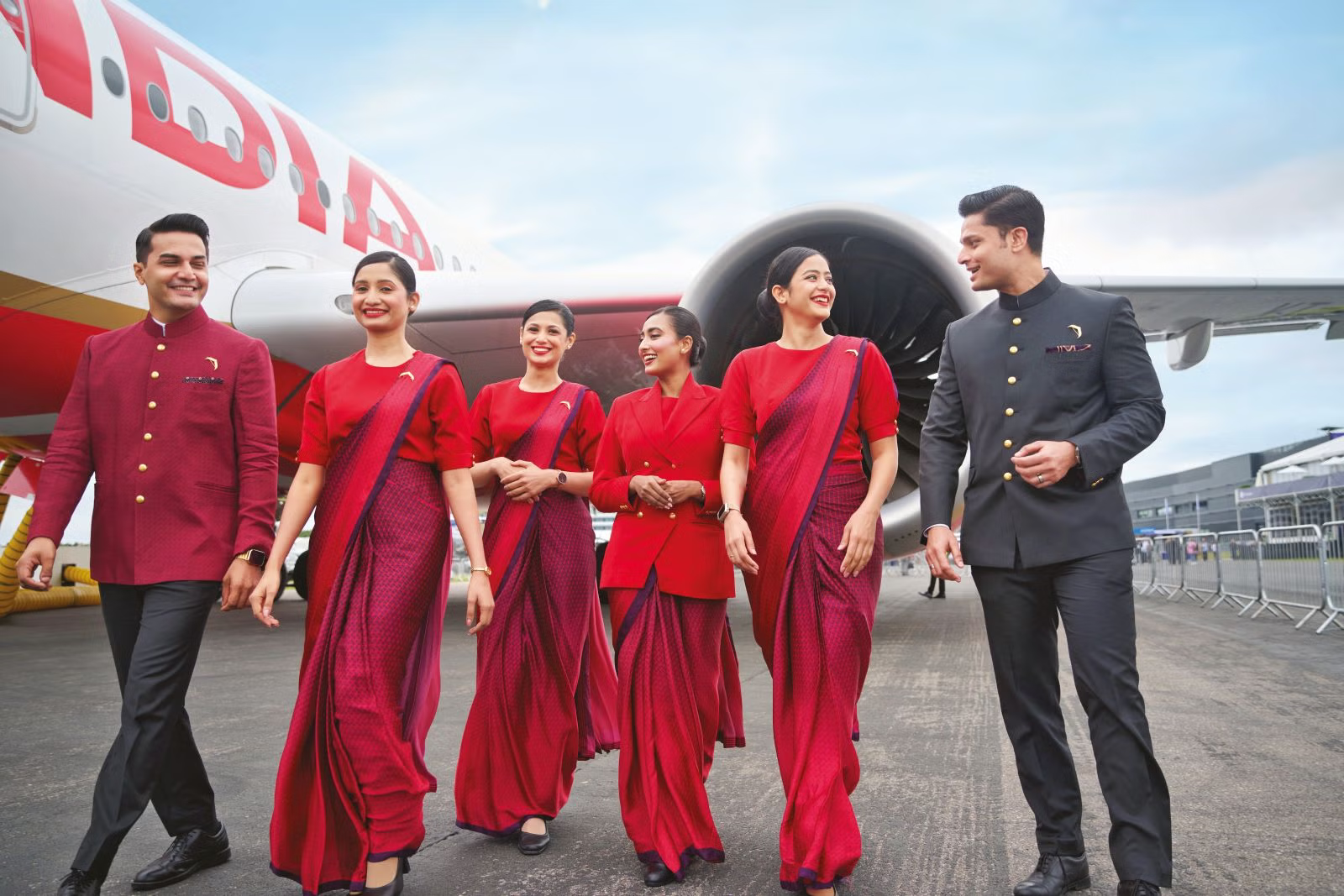
The daily work of a cabin crew member begins long before passengers board. Crew report for a pre-flight briefing, where the senior cabin crew member or purser reviews the flight details, passenger profile, weather conditions, safety procedures, and service plan.
Crew then check emergency equipment such as life jackets, oxygen masks, first aid kits, fire extinguishers, and exits. Only after these aviation safety checks are complete do they welcome passengers on board.
During the flight, flight attendant duties include demonstrating safety procedures, ensuring seat belts are fastened, serving meals and beverages, handling special requests, assisting passengers with children or reduced mobility, and monitoring the cabin for safety concerns.
In the event of turbulence, medical emergencies, fire, decompression, or evacuation, the crew are the first responders. This is why cabin crew training is so intensive and why airlines select candidates carefully.
After landing, cabin crew assist passengers with disembarkation, complete cabin reports and prepare for the next sector. Many crew members operate multiple flights in a single duty period, so physical stamina, patience and teamwork are vital. The job may look effortless to passengers, but it demands professionalism, emotional control and quick decision-making in every situation.
Types of Cabin Crew and Airline Employers
The aviation industry offers several categories of airline careers within the cabin crew family. Full-service carriers provide premium products, multiple cabin classes and elaborate meal services, so crew here are trained in luxury hospitality.
Low-cost airline jobs focus on efficient turnaround, onboard sales and fast boarding, which suits candidates who enjoy a quick-paced environment. International airline jobs with Gulf, European and Asian carriers often include tax-free income, accommodation and annual leave tickets, making them especially attractive.
There are also private jet cabin crew jobs and VIP charter flight attendant jobs, where crew serves a small number of high-net-worth passengers. These roles demand exceptional grooming, discretion, culinary knowledge, and personalised service. Ground-based positions such as airport customer service, check-in agent, lounge host, and cabin crew trainer roles also provide pathways into the industry and can later lead to flying positions.
Seniority levels in cabin crew generally progress from junior cabin crew to senior cabin crew, then purser or cabin supervisor, and eventually cabin crew manager or trainer. Each step brings higher pay, more responsibility, and better rosters. Many experienced crew eventually move into aviation management jobs, training departments or airline operations.
Eligibility Criteria for Air Hostess Jobs
Eligibility for air hostess jobs varies by airline and country, but several requirements are common. Most airlines require candidates to be at least 18 to 21 years of age, have completed higher secondary education (12th grade) or an equivalent qualification, and possess strong communication skills in English. Knowledge of additional languages is a major advantage and can significantly increase your chances of selection, especially with international carriers.
Physical requirements usually include a minimum height, a proportionate weight, and good overall health. The minimum height for female candidates is commonly between 155 cm and 160 cm, though this differs across airlines.
Candidates must have good eyesight, clear speech, and no visible tattoos in uniform areas for many carriers. Medical fitness is carefully checked, and a clean background verification is mandatory. A valid passport and the ability to obtain work visas are essential for international cabin crew jobs.
Swimming ability is required by some airlines, as is the ability to complete a standard reach test, which confirms that you can access overhead emergency equipment. Beyond the physical criteria, airlines look for emotional intelligence, a warm smile, calm behavior under pressure, and a genuine desire to help others. Technical skills can be trained, but attitude cannot, which is why recruiters weigh personality so heavily during selection.
Educational Qualifications and the Best Air Hostess Courses
Although a graduate degree is not always compulsory, many successful candidates choose to enrol in an air hostess course or cabin crew training program before applying. Reputable aviation and hospitality courses teach grooming, personality development, English communication, safety procedures, first aid, customer handling, and interview techniques. These programs can range from a few months to two years, depending on whether you choose a certificate, diploma, or degree route.
Popular options include a diploma in cabin crew training, BBA in aviation management, BSc in aviation, hospitality and travel management degrees, and airport management courses. Many institutes also offer placement support and mock interview sessions.
When selecting an aviation training institute, check whether the academy has industry tie-ups, qualified instructors with real airline experience, modern simulators, and a transparent record of placements. Avoid institutes that guarantee jobs, because no legitimate school can promise employment; airlines always make their own hiring decisions.
An air hostess training program typically covers aviation terminology, airport codes, in-flight service etiquette, emergency evacuation drills, firefighting, first aid and CPR, security awareness, and cabin crew communication.
Some institutes also provide an introduction to dangerous goods and crew resource management. Even if an airline provides its own initial training after hiring, having prior knowledge gives you confidence and a better edge during selection.
Air Hostess Salary and Cabin Crew Benefits
One of the biggest reasons people search for cabin crew salary and air hostess salary information is the attractive earning potential. Pay depends on the airline, country, seniority, and the type of flying.
In India, entry-level domestic cabin crew typically earn a monthly package that increases with flying hours, allowances, and incentives, while experienced crew and purser earn considerably more. International carriers, particularly in the Gulf region, are known for competitive tax-free packages that often include accommodation, transportation and meal allowances.
Beyond the base salary, cabin crew benefits commonly include discounted or free staff travel tickets for the employee and family, per diem allowances for layovers, medical insurance, annual leave, uniform and grooming support, and performance bonuses.
Some airlines provide housing in the crew base city, which reduces living expenses and allows crew to save more. These perks make the overall package much more valuable than the monthly pay figure alone.
Career growth also improves income. After gaining experience, you can become a senior cabin crew member, purser or inflight service manager, each with higher pay. Those who move into training or management roles enjoy additional stability and a more regular schedule. If you are focused on long-term aviation careers, understanding these progression paths can help you choose the right airline and plan your career strategically.
How to Apply for Cabin Crew Jobs
If you want to apply for cabin crew jobs, start by researching airlines that match your goals. Visit official airline career pages, follow their recruitment announcements and register for job alerts.
Many carriers conduct walk-in interviews, open days, and online recruitment drives, and these events are often announced on the airline website and verified social media channels. Always avoid agents who ask for money, as genuine airlines do not charge fees for recruitment.
Prepare a professional cabin crew resume that highlights customer service experience, language skills, certifications, and achievements. Keep it concise, ideally one page, with a clear photograph and accurate contact information.
Many airlines also request a full-length photograph, so make sure it is neat and professionally taken. Write a short, confident cover note that explains why you want to work as cabin crew and what qualities you bring to the airline.
Once your application is shortlisted, you may be invited to an assessment day. Arrive early, dress formally, and be ready for each stage with energy and politeness. Remember that you are being observed from the moment you enter the venue, so smile, greet everyone, and display team spirit throughout the process.
The Cabin Crew Interview and Selection Process
The cabin crew interview usually has several stages. It often begins with a CV screening or an online application, followed by a group discussion, English language test, personal interview, reach test, and medical examination.
Some airlines also conduct a final panel interview with senior managers. Each stage tests a different skill: group exercises check teamwork and leadership, individual interviews test motivation and personality, and role-plays measure how you handle difficult passengers.
Typical interview questions include why you want to become cabin crew, how you would deal with an angry passenger, what you know about the airline, and how you handle pressure. Answer honestly and use real examples from your education or work experience. Research the airline carefully, including its destinations, fleet, values, and recent news, because recruiters appreciate candidates who show genuine interest.
Grooming and presentation are extremely important. Choose formal attire in neutral colors, maintain neat hair, light makeup, and clean, polished shoes. Good posture and a natural smile make a strong first impression.
Practice speaking clearly and confidently, and rehearse your answers in front of a mirror or with a friend. Mock interviews at a reputable cabin crew academy can dramatically improve your performance.
Initial Training After Selection
Once selected, recruits undergo rigorous airline cabin crew training, which usually lasts between four and eight weeks. This training is regulated by aviation authorities and includes safety and emergency procedures, evacuation drills, firefighting, first aid, water survival, security, aircraft familiarisation, and customer service standards. Trainees must pass written exams and practical assessments before they are allowed to fly.
Training often takes place in specialised centers with realistic aircraft cabin mock-ups, smoke-filled rooms and pool facilities. You learn to open aircraft doors, deploy slides, manage passengers in emergencies and administer life-saving first aid.
It is an intense but rewarding experience, and graduates earn their wings with a deep sense of achievement. After completing training, new crew generally fly supervised sectors before becoming fully qualified.
Skills Needed to Succeed as an Air Hostess
Success in flight attendant careers relies on a combination of hard and soft skills. Excellent communication is the foundation, because you will interact with passengers from many cultures and backgrounds.
Patience, empathy, and tact help you manage complaints, anxious flyers, and unexpected delays with grace. Teamwork is equally important, as crew depends on each other during busy services and emergencies.
Physical and mental resilience are essential. Cabin crew work irregular hours, cross time zones, and spend long periods on their feet. Maintaining healthy sleep, nutrition, and exercise habits helps you cope with the demands of the schedule.
Adaptability, problem-solving, and quick thinking allow you to remain calm when situations change. Cultural awareness and multilingual ability also make you more valuable, especially for international airline jobs.
Advantages and Challenges of Cabin Crew Life
The advantages of cabin crew jobs are widely known: free or discounted travel, exposure to different cultures, a dynamic work environment, lifelong friendships, and a chance to build confidence and independence.
Many crew members say that the job transformed their personality, made them more social, and gave them the courage to handle any situation. The travel benefits, in particular, allow you to explore the world at low cost.
However, the career also has challenges. Irregular schedules, night duties, jet lag, and long periods away from family can be tiring. Handling difficult passengers requires emotional strength, and the job demands strict adherence to grooming and weight standards. Understanding both sides helps you make an informed decision. For people who thrive on variety and enjoy meeting new people, the rewards typically outweigh the difficulties.
Career Growth and Future Opportunities
A career in cabin crew can lead in many directions. With experience, you can become a purser, cabin supervisor, inflight manager or cabin crew instructor. Some move into ground operations, airline customer experience, recruitment, or corporate training. Others transition into aviation management, airport operations, travel consulting or entrepreneurship, using their industry knowledge to build new ventures.
The global aviation industry continues to recover and expand, with airlines adding aircraft and routes. This growth drives strong demand for trained cabin crew, particularly in Asia, the Middle East, and Europe. As airlines compete on service quality, they invest heavily in recruiting people with excellent hospitality skills, which creates opportunities for motivated candidates who prepare well.
Tips to Get Hired Faster
If you are serious about landing airline jobs, begin preparing early. Improve your English fluency, learn a foreign language, build customer service experience through part-time work, and maintain good health.
Stay informed about airline recruitment events, follow official airline channels, and keep your documents ready, including your passport, certificates and photographs. Networking with current crew members through professional platforms can provide honest insights about airline culture and recruitment trends.
Be persistent. Many successful crew members were rejected once or twice before finally getting selected. Treat each interview as a learning opportunity, ask for feedback where possible, and keep refining your presentation. Stay away from fraudulent recruitment offers and always verify opportunities through official airline websites. A patient, prepared and positive approach greatly improves your odds.
Frequently Asked Questions
Can I become an air hostess after 12th? Yes, many airlines accept candidates who have completed 12th grade, provided they meet age, height, language and medical requirements. A diploma or degree can strengthen your profile.
Is an air hostess course compulsory? It is not always mandatory, but a good air hostess training course improves communication, grooming and interview skills, which can raise your chances of selection.
What is the average air hostess salary? It varies widely by airline, country, and experience. Entry-level packages are modest but grow quickly with allowances, flying incentives and promotions, while international carriers often offer higher tax-free packages.
Are male candidates eligible? Absolutely. Airlines hire both women and men as cabin crew, and male flight attendants are an important part of the workforce.
How long does cabin crew training last? Initial airline training usually takes about four to eight weeks, followed by supervised flying before full qualification.
Conclusion
A career in cabin crew jobs offers adventure, responsibility, strong earning potential, and the chance to see the world while serving people. Whether you aspire to join a full-service international carrier, a growing low-cost airline, or a luxury private jet operator, success begins with the right preparation: meeting the cabin crew eligibility requirements, completing quality aviation training, polishing your communication skills, and applying through genuine channels. With dedication, professionalism and a warm attitude, you can turn the dream of becoming an air hostess or flight attendant into a rewarding long-term career in the sky.